UK Wedding Trends 2026: What They Mean for the Pyrénées-Orientales
Micro weddings, multi-day celebrations, weekday weddings, elopements: the UK is redrawing what a wedding looks like. The shift has a direct echo in the Pyrénées-Orientales and Catalogne Nord, South of France.
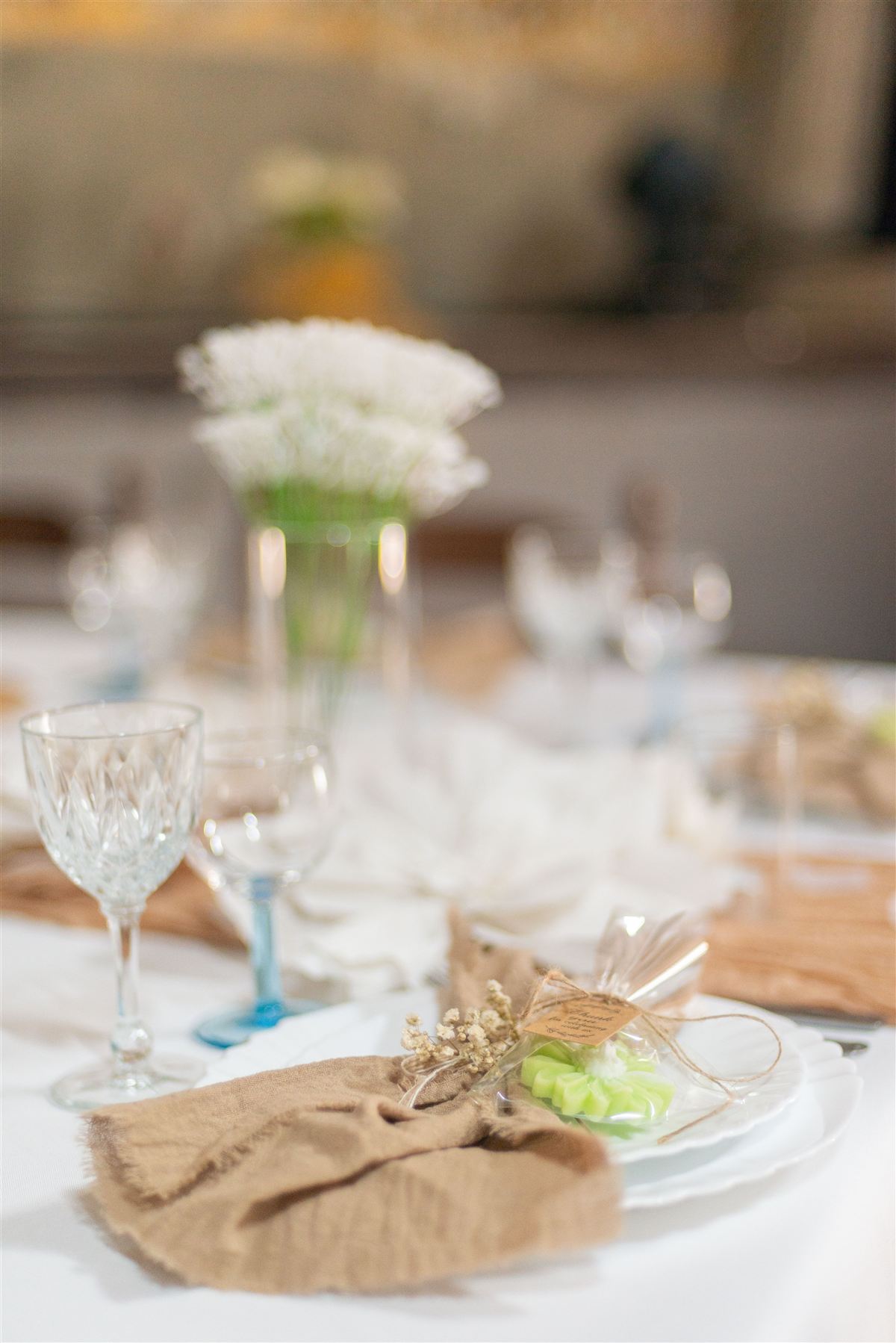
Every year, UK wedding planners and photographers publish their trend forecasts for the season ahead, and 2026 confirms a shift that has been building for several seasons across the Channel: fewer guests, more time, and formats that move away from the classic single-day wedding. This is not an isolated trend. A direct flight connects Perpignan to London Stansted every week, and a growing share of couples marrying in the Pyrénées-Orientales are British, or shaped by British wedding habits. The Mediterranean climate, direct access from several UK airports, and reception costs that often undercut those in the south of England all help explain the pull. Here is what these trends mean in practice for a wedding celebrated in the Pyrénées-Orientales.
Micro weddings: intimacy by design
In the UK, a micro wedding is generally defined as a ceremony and reception for 20 to 50 guests, compared with an average that often exceeds 100 for a traditional French wedding. The reason is not only financial: British couples consistently describe wanting closeness, the ability to spend the day with the people who genuinely matter rather than managing an expanded guest list. In the Pyrénées-Orientales, this format suits a specific kind of venue: a village chapel in the Vallespir, a restored Catalan farmhouse near Céret, a terrace overlooking the vineyards of Les Aspres. Spaces that would lose their intimacy with 150 guests find their true scale with 40. That smaller scale also changes the rhythm of the day itself: less seating logistics, more real time spent with each guest, and a ceremony that can be held outdoors without worrying about capacity.
The multi-day celebration, British-style
Another notable shift is the celebration spread across two or three days: a welcome dinner the evening before, the ceremony and reception, then a closing brunch the following morning. This format, common in British destination weddings, answers a practical need: guests travelling from further afield, often by plane, justify a longer stay than the wedding day alone. The wine estates of Les Aspres and Fenouillèdes, along with farmhouses able to host guests on site, lend themselves naturally to this format. The wedding becomes a shared few days rather than a single event, which fundamentally changes how it needs to be told in pictures. For guests flying in from London, Manchester or Bristol, this format also justifies the trip: a two-day return for a few hours of ceremony makes far less sense than a full long weekend in Catalan France.
Weekday weddings: a new kind of freedom
In the UK, marrying on a Thursday rather than a Saturday is no longer unusual: venues offer lower weekday rates, and availability opens up at the most sought-after addresses. In France, a civil wedding can legally be held on any working day at the town hall, but the reception has traditionally stayed anchored to the weekend. Couples in the Pyrénées-Orientales who follow this British logic gain two things: easier access to the region's most in-demand estates, often booked a year ahead for Saturdays, and a lower season outside July and August, when Mediterranean light stays generous without the pressure of peak tourist season.
Elopements and chosen intimacy
The elopement — a wedding reduced to its essentials, sometimes only the couple, an officiant and a witness — has kept growing across the Channel for several seasons. Far from a compromise, it is a deliberate choice: prioritising a place and a moment over guest logistics. The Côte Vermeille, with its coves between Collioure and Cerbère, or the heights of Mount Canigou, offer settings that stand on their own for this kind of ceremony, drawing both local couples and British couples choosing to say their vows in Catalogne Nord.
What a documentary approach brings to these new formats
These trends share a common thread: fewer guests, more available time. That is precisely where a documentary, reportage-style approach earns its place. On a micro wedding, the absence of staging lets the quality of the exchanges between close friends and family come through, without any setup that would break the intimacy the couple chose in the first place. On a multi-day celebration, a documentary thread builds a continuous story — from the welcome dinner to the following morning's brunch — rather than a series of disconnected moments. On an elopement, a discreet presence is essential: there is no second take, and nothing should interrupt a moment that, by definition, will not happen again. In all three cases, the photography does not direct the day; it follows how it actually unfolds.
Getting married in Perpignan or Catalogne Nord?
A micro wedding, a multi-day celebration, or an elopement facing the Mediterranean: every story deserves to be told exactly as it happened. Let's talk about your wedding.
Fill in the contact form →